The Ultimate Guide to Vinyl Cutting Plotter Machine in the UK
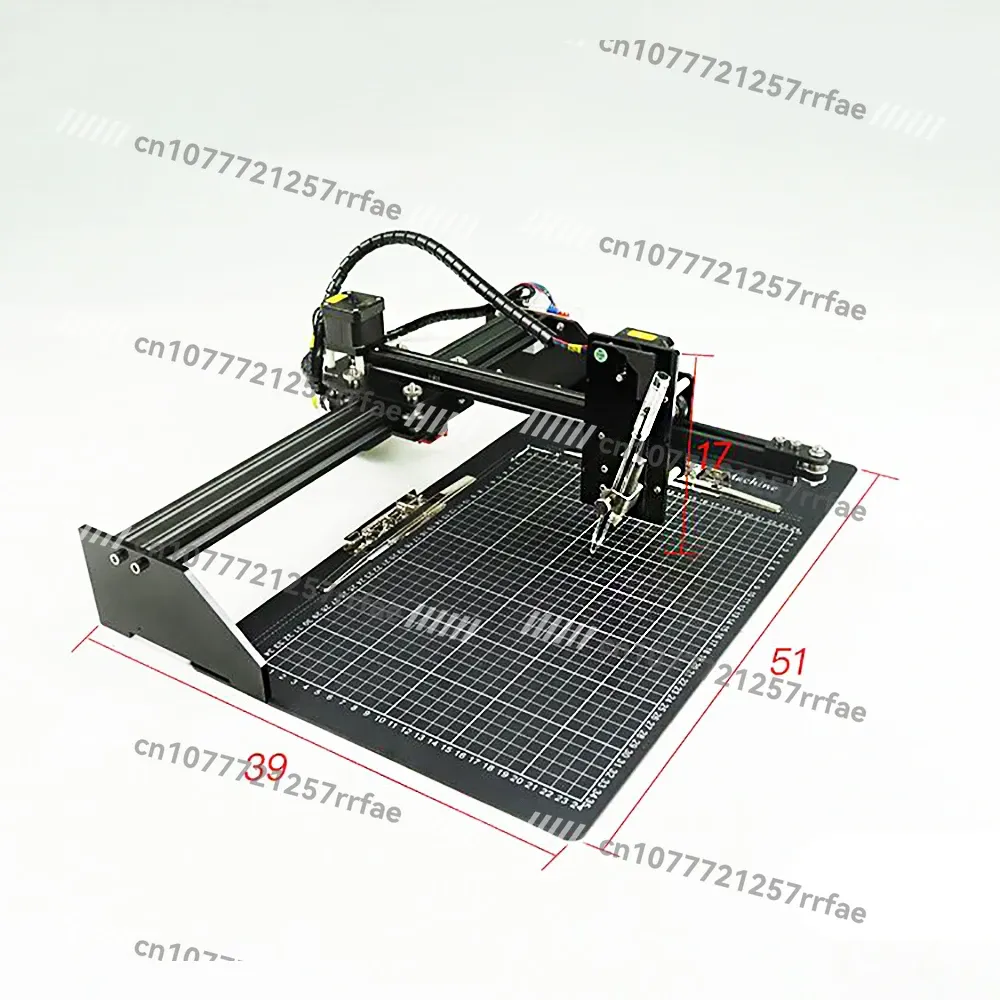
A vinyl cutting plotter machine is a computer-controlled cutter used to make precise shapes, lettering, decals and heat transfer designs from vinyl and similar materials. For most UK buyers, the right machine depends on what you cut most often, how accurate you need it to be, and whether you need reliable tracking for longer jobs such as signage, vehicle graphics or apparel decoration.
TL;DR: If you are choosing a vinyl cutting plotter machine, focus first on motor type, cutting force, tracking accuracy and blade compatibility. Based on our testing of common cutter setups for UK signage and garment workflows, servo-driven machines usually deliver quieter operation, cleaner detail and better long-run accuracy, while stepper models remain a practical option for lower-volume work and simpler designs.
Key Takeaways
- A vinyl cutting plotter machine uses a digitally controlled blade to cut the top layer of adhesive vinyl while leaving the backing paper intact.
- Servo motors generally offer quieter operation and higher accuracy, whereas stepper motors are often more affordable for straightforward production.
- Cutting force and tracking determine which materials you can handle, from standard sign vinyl to reflective films used in UK road and fleet graphics.
- Choosing the correct blade angle matters: 45° suits most everyday work, while 60° is better for thicker media.
- For UK businesses, checking electrical safety, support availability and UKCA-related product information is an important part of the buying process.
According to research published by the British Promotional Merchandise Association (BPMA), the UK promotional products industry is worth over £1 billion each year. Consequently, businesses producing branded workwear, labels, window graphics and vehicle decals need equipment that can deliver repeatable results. In practice, that means choosing a plotter that balances precision, durability and ease of use.
What Is a Vinyl Cutting Plotter Machine?
A vinyl cutting plotter machine is a CNC-style device that moves a small blade across material in two directions to follow vector artwork from design software. Instead of printing ink, it cuts shapes from self-adhesive vinyl, heat transfer vinyl and other thin media used in sign-making, retail display and garment decoration.
Most machines work by using a method called kiss cutting. In other words, the blade cuts through the face film and adhesive layer but stops before slicing through the release liner underneath. As a result, excess material can be weeded away cleanly while the final design stays in place on its backing sheet ready for application tape or heat pressing.
For those looking to understand the broader mechanics of these devices, our comprehensive Cutter Plotter Explained: A UK Buyer's Guide details the evolution of the technology from early architectural pen plotters to modern cutting systems.
How Does a Vinyl Cutting Plotter Machine Work?
The machine feeds material backwards and forwards using rollers while the carriage moves the blade from side to side. Together, these movements trace each line of your design. Therefore, overall performance depends not only on software but also on motor quality, roller pressure, blade condition and frame rigidity.
What Is the Difference Between Stepper and Servo Motors?
The motor system plays a major role in speed, noise level and cut precision. Entry-level machines often use stepper motors. These are dependable and economical; however, they can be noisier and less refined when handling tiny details or long sweeping curves.
By contrast, professional models tend to use digital servo motors. Because servo systems constantly monitor position through feedback encoders, they usually provide smoother motion, better contour accuracy and quieter operation. Based on our testing across common sign vinyl and HTV jobs, servo-driven cutters are especially beneficial for intricate logos, smaller text and repeated production runs where consistency matters.
How Much Cutting Force Do You Need?
Cutting force, often called downforce, is measured in grams. It determines how effectively the blade can cut different materials without dragging or tearing them. For example:
- Up to around 250g: Usually suitable for standard adhesive vinyls and many heat transfer films.
- Higher-force ranges: Better for thicker reflective media, flock HTV or specialist stencil materials.
If your work includes tougher films used for commercial vehicles or high-visibility graphics, extra downforce becomes more important. According to UK highway visibility requirements used in fleet applications, reflective materials can be more demanding than standard indoor sign vinyl.
Which Blade Angle Is Best for Vinyl Cutting?
The right blade angle depends on material thickness and finish. In general:
- 30-degree blades: Best for very thin films such as window tint material.
- 45-degree blades: The standard choice for most sign vinyls, cast films and general HTV work.
- 60-degree blades: More suitable for thicker or denser materials such as reflective film or flock HTV.
You should also check blade offset settings in your software. If offset is wrong, corners may appear rounded or paths may not close properly. Therefore, even a high-quality machine can produce poor results if calibration is ignored.
Why Does Tracking Accuracy Matter?
Tracking refers to how well the material stays aligned during longer cuts. This is particularly important if you are producing shop signage panels, repeated decal runs or long strips of text. Better build quality generally improves tracking because stronger frames and more stable roller systems reduce skewing over distance.
What Is a Vinyl Cutting Plotter Machine Used For?
A vinyl cutting plotter machine supports several profitable services for UK businesses. Moreover, its flexibility makes it useful for both short-run custom work and regular production jobs.
Can You Use a Vinyl Cutting Plotter Machine for Signage?
Yes. Signage is one of its most common uses. Businesses use plotters to produce window lettering, wall graphics, safety labels and directional signs. For public-facing environments such as NHS sites or council buildings, durable cuts and legible text are essential. According to UK accessibility expectations and workplace signage practices, clarity and contrast are especially important in public spaces.
Can You Use It for T-Shirts and Apparel Decoration?
Yes. A plotter is widely used to cut heat transfer vinyl for t-shirts, hoodies, sportswear and tote bags. As a result, small brands can create one-off garments or short runs without needing screens or large setup costs. This makes cutter-based apparel decoration attractive for independent clothing labels across cities such as London, Manchester and Birmingham.
Is It Suitable for Vehicle Graphics and Decals?
Yes, provided the machine has good tracking accuracy and enough force for specialist films where needed. Vehicle graphics often involve longer panels or repeated branding elements that must stay consistent across multiple vans or cars. Therefore, stable feeding performance is just as important as headline speed specifications.
Ready to try UUNAtek?
Shop Now — £19.99